What to document
Focus on the facts that matter. Capture these elements as they occur:
- The problem itself: Write a short description of the issue, when you first noticed it, and how it's affecting daily life.
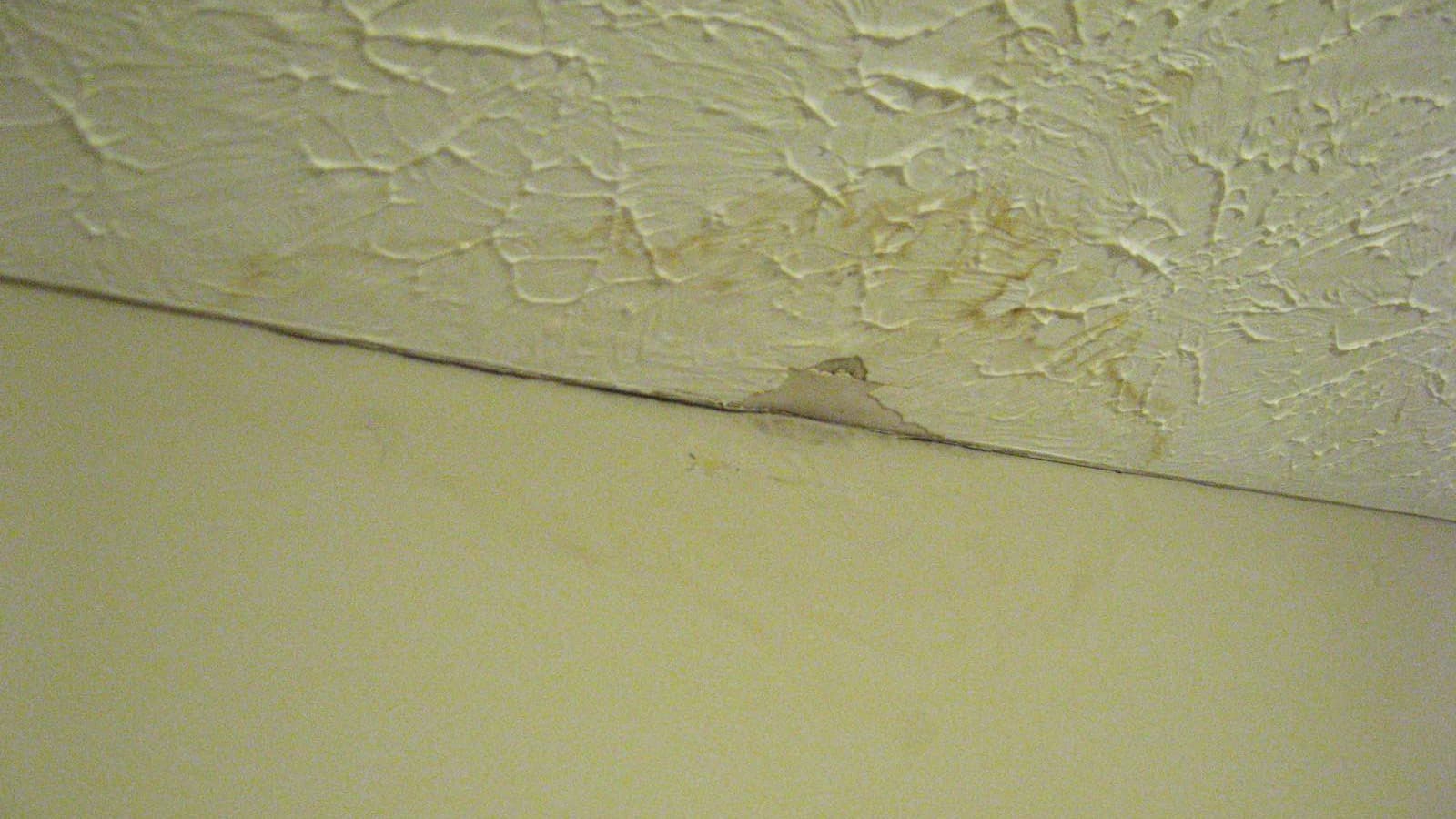
- Visual evidence: Take dated photos or short videos from multiple angles. Note the date and location in the file names or a separate note.
- All communications: Save every email, text, voicemail, or written note. For phone calls, immediately log the date, time, who you spoke with, and a brief summary of what was said.
- Your requests: Keep copies of every repair request or formal notice you've sent, including the method and date sent.
- Related costs: Receipts or records for any expenses you've had to cover yourself because of the issue.
- Lease references: A copy of the relevant sections of your lease agreement that apply to maintenance, repairs, or the dispute.
How to organize the record
A jumbled collection of screenshots won't help when you need it. Keep it simple and easy to follow:
- Use one dedicated folder—either digital (on your computer or in the cloud) or a physical folder.
- Arrange everything in chronological order, oldest first.
- Add a one-page timeline or log at the front that lists key dates and events in bullet form.
- Name files clearly, for example: "2025-04-02-leak-photos.jpg" or "2025-04-05-email-to-landlord-response.txt".
- Make a backup. Take photos of any paper records and store digital files in two places.
This setup takes about 10-15 minutes to set up once you have the materials and saves far more time later.
When to send it
Share your documentation strategically rather than all at once:
- Include key pieces when you make a formal request for repairs or resolution.
- Attach or reference it if the landlord pushes back or denies the problem.
- Bring a summary version if you need to speak with a mediator, housing authority, or legal aid service.
When you send it, keep the accompanying message short, factual, and polite. You can say something like: "Here's a quick timeline and supporting photos for the issue we've discussed. Let me know how you'd like to proceed."
Documentation alone doesn't solve every problem, but it prevents the common frustration of "I don't remember that" or "you never told me." It simply makes the next conversation clearer for everyone involved.
If your situation has details that don't fit neatly into a standard list, or you're ready to decide what to do next with your record, tap the button below to walk through your specific case step by step.
Use You.one when the details actually matter
This page is here to help you orient. If your situation depends on timing, money, another person, or what has already happened, You.one can walk through your version step by step.
Work through this in You.one